Ibiza Yacht Hire Guide 2026: Everything You Need to Know Before Booking Your Mediterranean Charter
Ibiza Yacht Hire Guide 2026: Everything You Need to Know Before Booking Your Mediterranean Charter
There's nothing quite like waking up to the gentle rock of a boat in a quiet, sun-soaked cove — the Balearic Sea catching the light in every direction. I've spent years out on the Mediterranean, and I can tell you from real experience: that feeling of plotting your own course along Ibiza's coastline doesn't leave you. It sticks. In 2026, the island is shaping up for a genuinely strong year in yacht chartering. Marina upgrades are done, and there's a real push toward sustainable marine tourism that's quietly changing how operators run their businesses. If you've been thinking about ditching the beach clubs for a private deck, this is the year to do it. This guide walks you through everything — the costs, the routes, the traps — so you can book with actual confidence.
Why Ibiza Is the Ultimate Mediterranean Yachting Destination in 2026
Ibiza's pull is real, but it's not just about the nightlife. For anyone serious about yachting, it hits three marks that are genuinely hard to find together: stunning natural scenery, solid infrastructure, and reliable sailing conditions from May through October. I've noticed more American travelers making the trip to the Balearics this year — the exchange rates are favorable, and the quality of European yachting is hard to argue with.
Think about it: morning paddleboarding in a pine-fringed bay, a proper paella at a beachfront chiringuito by afternoon, then docking at Marina Ibiza for dinner and whatever the night brings. That mix of raw nature and cosmopolitan energy is what makes Ibiza genuinely hard to beat in 2026.
Best Times of Year to Charter in Ibiza
Timing matters more than most people realize. July and August are peak season — warm water, high energy, celebrity sightings, and premium prices to match. The anchorages get crowded. If that's your scene, go for it. But personally, I always steer people toward the shoulder seasons.
May and June give you long days and a fresher, less frantic version of the island. September and October, though — those are the real insider months. The sea holds its summer warmth, the crowds thin out noticeably, and charter rates often drop 15 to 20 percent. If you want the best combination of weather, value, and actual peace, aim for late September 2026.
Types of Yachts Available for Hire in Ibiza
Getting the vessel right is the foundation of the whole trip. Sailing yachts suit the purist — typically 6 to 8 guests, the most budget-friendly option, but you need to genuinely enjoy the process of sailing, not just the destination. Motor yachts are built for speed and style; they'll get you from Ibiza to Formentera in minutes and look sharp doing it, though the fuel costs are very real.
Catamarans have become the go-to for families and larger groups — up to 12 people — because the dual hulls mean serious stability and a lot of usable deck space. And then there are superyachts: jacuzzis, jet skis, sprawling interiors, and a price tag to match. If the budget is there, the experience is in a different league entirely.
Crewed vs. Bareboat Charters — Which Is Right for You?
If you hold a valid skipper's license — an ASA certification or an ICC — and you've got real Mediterranean sailing experience under your belt, a bareboat charter gives you full control. You're the captain. That's a genuine thrill. But navigating rocky coastlines and packed summer anchorages you've never seen before isn't something to take lightly.
For most people, a fully crewed charter is the smarter call. A captain, deckhand, and often a private chef — the crew handles navigation, cooking, and cleanup, and you actually get to relax. The extra cost is worth it. And the local knowledge a good captain brings — knowing which hidden cove is empty on a Tuesday afternoon — is something no app can replicate.
How Much Does Ibiza Yacht Hire Actually Cost?
Let's get into the numbers. In 2026, a basic 40-foot sailing yacht or bareboat catamaran runs roughly $4,000 to $8,000 per week. A mid-range crewed motor yacht starts around $15,000 to $25,000 weekly. Luxury superyachts? Easily over $100,000 per week. But the base rate is just the starting point — and this is where a lot of first-timers get caught out.
If you're early in your research and want to get a feel for current market rates and what's actually available, checking out options for ibiza yachs thire is a solid way to benchmark. When you're building your budget, you have to factor in the APA — the Advance Provisioning Allowance — which typically adds 25 to 30 percent on top of the base rate to cover fuel, food, drinks, and marina fees. And don't overlook VAT, which in Spain sits at 21%. First-timers consistently underestimate the total cost. Don't be one of them.
Top Sailing Routes and Anchorages Around Ibiza
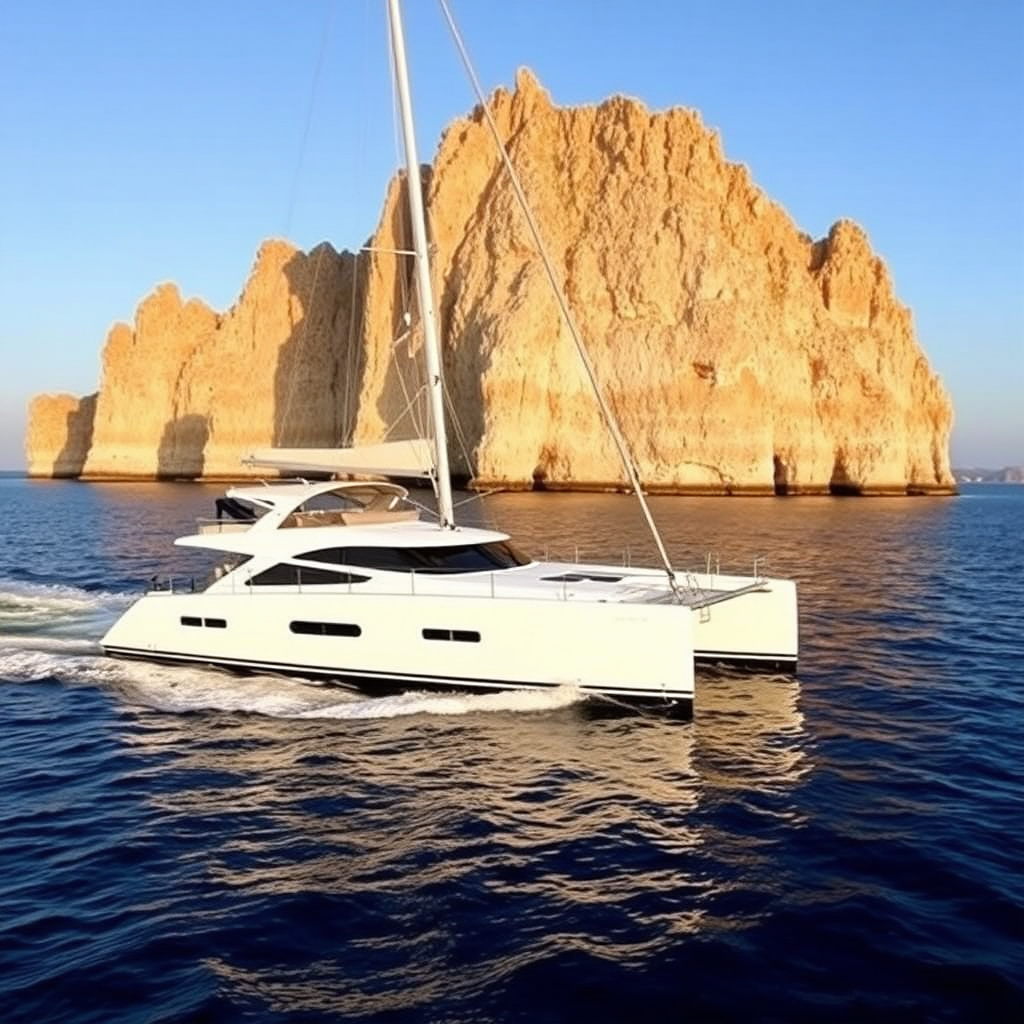
You haven't really seen Ibiza until you've seen it from the water. A classic itinerary starts with Es Vedrà — the dramatic rock formation off the southwest coast. Anchoring there at sunset is one of those moments that's hard to describe without sounding like a travel brochure, but it earns the hype. The northern coast is where things get quieter: Cala d'en Serra and Cala Xarraca have water so clear your boat looks like it's floating on glass.
And no Ibiza charter is complete without the run south to Formentera. Specifically Playa de Ses Illetes — white sand, shallow turquoise water, often called the Caribbean of Europe. It's not an exaggeration.
Combining Ibiza with Formentera and Mallorca
If you're chartering for seven days or more, a multi-island route is the way to go. Spend your first three days working through Ibiza's western coves, then sail down to Formentera for two days of barefoot, unhurried time. From there, the open-water crossing to Mallorca takes roughly 8 to 10 hours depending on your vessel — a proper blue-water day before you arrive at the Tramuntana coastline, which is dramatic in the best possible way.
What to Look for When Booking a Charter Company
Not all operators are running the same standard. When you're vetting companies for your 2026 trip, look for MYBA (Worldwide Yachting Association) standard contracts — they protect both you and the boat owner, and any reputable company should offer them without hesitation. Read recent reviews, not just the curated ones on their own site.
For American travelers, keep an eye on USD/Euro fluctuations — they can shift your effective cost more than you'd expect. Always ask exactly what's included in the base rate: water toys, a tender, snorkeling gear? Get it in writing. Ask for recent photos of the actual vessel, not the glossy shots from when it launched five years ago. And confirm the insurance situation before you sign anything.
Common Mistakes to Avoid When Hiring a Yacht in Ibiza
The biggest one I see: underestimating the APA. People see the base rate, feel good about the budget, and then get a surprise bill at the end of the week. Build the APA in from day one — it's not optional. The second mistake is booking late. The best yachts for July and August 2026 are often locked in by January. If you're reading this in spring, move fast.
Also, resist the urge to over-plan the itinerary. Sailing is supposed to be slow. If you're trying to hit three islands in five days, you'll spend the whole trip motoring instead of swimming. And finally — respect the Tramuntana winds. They can build quickly and change your plans. If your captain says the route needs to change, trust them. That's exactly what you're paying for.
Practical Tips for First-Time Yacht Charterers in Ibiza
Packing for a yacht is its own skill. Hard-sided luggage is a problem — it scratches woodwork and there's nowhere to store it. Soft duffel bags only. Pack light; you'll live in swimwear and linen. The golden rule on board is bare feet in the interior, and fresh water is always limited, so short showers are the norm, not the exception.
In Ibiza specifically, there are strict rules around anchoring near Posidonia oceanica seagrass meadows — these are protected marine ecosystems, and the buoys marking them are there for a reason. Pay attention. On tipping: for a crewed Mediterranean charter, 10 to 15 percent of the base charter fee is standard, handed to the captain at the end of the trip to split with the crew.
Get the preparation right, and an Ibiza yacht charter in 2026 will be one of those trips you keep coming back to in conversation for years. Budget honestly for the APA, ask the right questions before you sign, and don't overload the itinerary. The Mediterranean is best experienced slowly — from the bow, with the breeze doing its thing, and nowhere you absolutely have to be.